
Buying a home in Jacksonville is a major investment. Whether it’s a bungalow in Riverside or a new build in Nocatee, you deserve to know exactly what you’re walking into. At Scan Dwell, we believe a home inspection shouldn’t just be a hurdle to clear—it should be your roadmap to a confident purchase.
Here is exactly what a professional home inspection in Jacksonville includes and why local expertise matters in Northeast Florida.
What Is a Home Inspection?
A home inspection is a detailed, non-invasive visual evaluation of a property’s major systems and structure. A licensed Florida home inspector checks the home from top to bottom to identify safety concerns, structural issues, and necessary repairs.
Think of it as a health wellness check for the home before you commit to buying it.
What’s Included in a Florida Home Inspection?
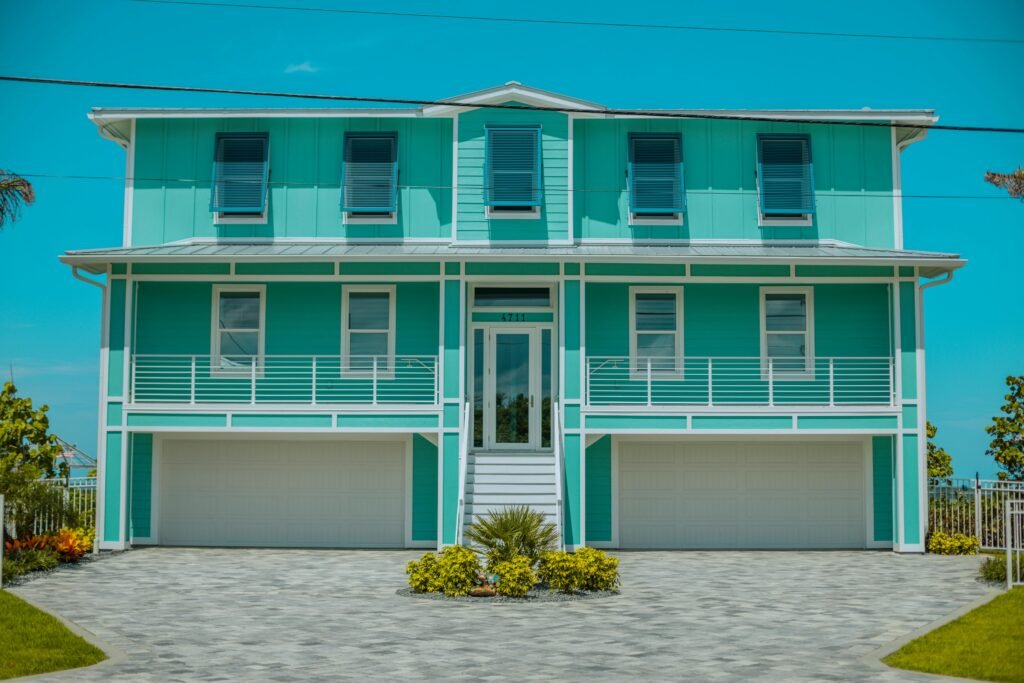
A standard Florida home inspection covers all the major components of the house. Here is the breakdown of what we evaluate:
1. Roof and Attic Space
We examine the roofing material condition, signs of past or active leaks, and the integrity of the flashing and drainage.
- The Jacksonville Factor: Between tropical storms and high humidity, roofs in Duval County age faster. We also check the attic for proper ventilation to ensure your home “breathes” correctly in the Florida heat.
Why it matters in Jacksonville:
With heavy rain, humidity, and storm activity, roofs in Northeast Florida take a beating.
2. Exterior Foundation & Structure
This includes the siding (stucco, brick, or vinyl), the foundation, and all exterior windows and doors. We hunt for cracks, moisture intrusion points, and signs of structural movement that could lead to costly future repairs.
3. Plumbing System
Your inspector checks:
- Pipes, fixtures, and water pressure
- Water heater condition
- Signs of leaks or corrosion
Florida factor:
High humidity and older plumbing systems can lead to hidden leaks and mold risks.
Electrical System
This includes:
- Electrical panels and wiring
- Outlets and switches
- Grounding and safety issues
Safety is the top priority here—faulty wiring can be a serious hazard.
HVAC (Heating & Cooling)
In Jacksonville, this is a big one.
Inspectors evaluate:
- Air conditioning system performance
- Age and condition of the unit
- Airflow and ductwork
Why it matters:
Your AC works hard year-round in Florida’s heat. A failing system can mean costly repairs.
Interior Components
Inside the home, we review:
- Walls, ceilings, and floors
- Doors and windows
- Signs of water damage or mold
We’re looking for both cosmetic issues and deeper concerns. Although, the cosmetic issues aren’t the main concern we still like to make our clients aware of them.
Attic & Insulation
This includes:
- Insulation levels. Too much or too little of this stuff can be bad.
- Ventilation. Which is of the utmost importance when it comes to the life of your roof as well as other factors.
- Signs of leaks or pests. Many of which may not be visible without a proper inspection.
Proper airflow is critical in Florida to prevent moisture buildup and mold.
Appliances (If Included)
If appliances are part of the sale, inspectors may check:
- Oven and stove
- Dishwasher
- Garbage disposal
- Refridgerator
- And even the Washer and Dryer
Florida-Specific Add-Ons You Should Know About

In addition to a standard home inspection Jacksonville FL buyers often need:
4-Point Inspection
Frequently required for insurance on older homes. Focuses on the four main systems:
- Roof
- HVAC
- Plumbing
- Electrical
Wind Mitigation Inspection
Evaluates how well the home can withstand high winds. A good report here can significantly lower your insurance premiums.
Termite (WDO) Inspection
Wood-destroying organisms are common in Florida. This inspection checks for:
- Termites
- Wood rot
- Other pests
What Inspectors Are Really Looking For
A good home inspector isn’t just checking boxes—we’re looking for:
- Safety hazards
- Signs of active or past damage
- Poor workmanship
- Potential future issues
The goal is to give you a clear, honest picture of the home’s condition.
Why Home Inspections Matter in Jacksonville
Homes in Duval County face unique challenges:
- High humidity → mold and moisture issues
- Frequent storms → roof and exterior wear
- Heat → HVAC strain
- Termites → structural risks
A thorough Florida home inspection helps you avoid surprises after you move in.
Tips for Buyers

Here’s how to get the most out of your inspection:
- Attend the inspection if possible – you’ll learn a lot firsthand
- Ask questions – no question is too small
- Review the report carefully
- Focus on major issues first
If something looks concerning, your inspector can help you understand what’s serious and what’s not.
When Should You Call a Professional?
You should schedule a home inspection:
- After your offer is accepted
- Before the end of your inspection period
If you’re searching for a “home inspector near me” in Jacksonville, timing matters—don’t wait until the last minute.
Ready to Schedule Your Home Inspection?
Whether you’re buying, selling, or just want peace of mind, a professional inspection gives you clarity.
At Scan Dwell LLC, we specialize in home inspection Jacksonville FL services tailored to Northeast Florida homes. We understand the local climate, common issues, and what to look for—so you can move forward with confidence.
👉 Book your inspection with Scan Dwell LLC today and get a clear, detailed understanding of your home before closing.
Frequently Asked Questions
How long does a home inspection take in Jacksonville?
Most inspections take 2–4 hours, depending on the size and condition of the home.
Do I need a 4-point inspection and a full inspection?
Yes, in many cases. A full inspection is for your knowledge, while a 4-point inspection is often required for insurance.
How do I know if my inspector is licensed?
The simplest way to verify whether or not your inspector is licensed is by visiting the Florida DBPR website and either search by Name or License Number.
Should I attend the inspection?
It’s highly recommended. You’ll get valuable insights and can ask questions in real time.
What happens after the inspection?
You’ll receive a detailed report. From there, you can negotiate repairs, request credits, or move forward with the purchase.
01win55 is okay if you are looking for a simple experience. Not the flashiest, but functional, solid, gets the job done01win55.